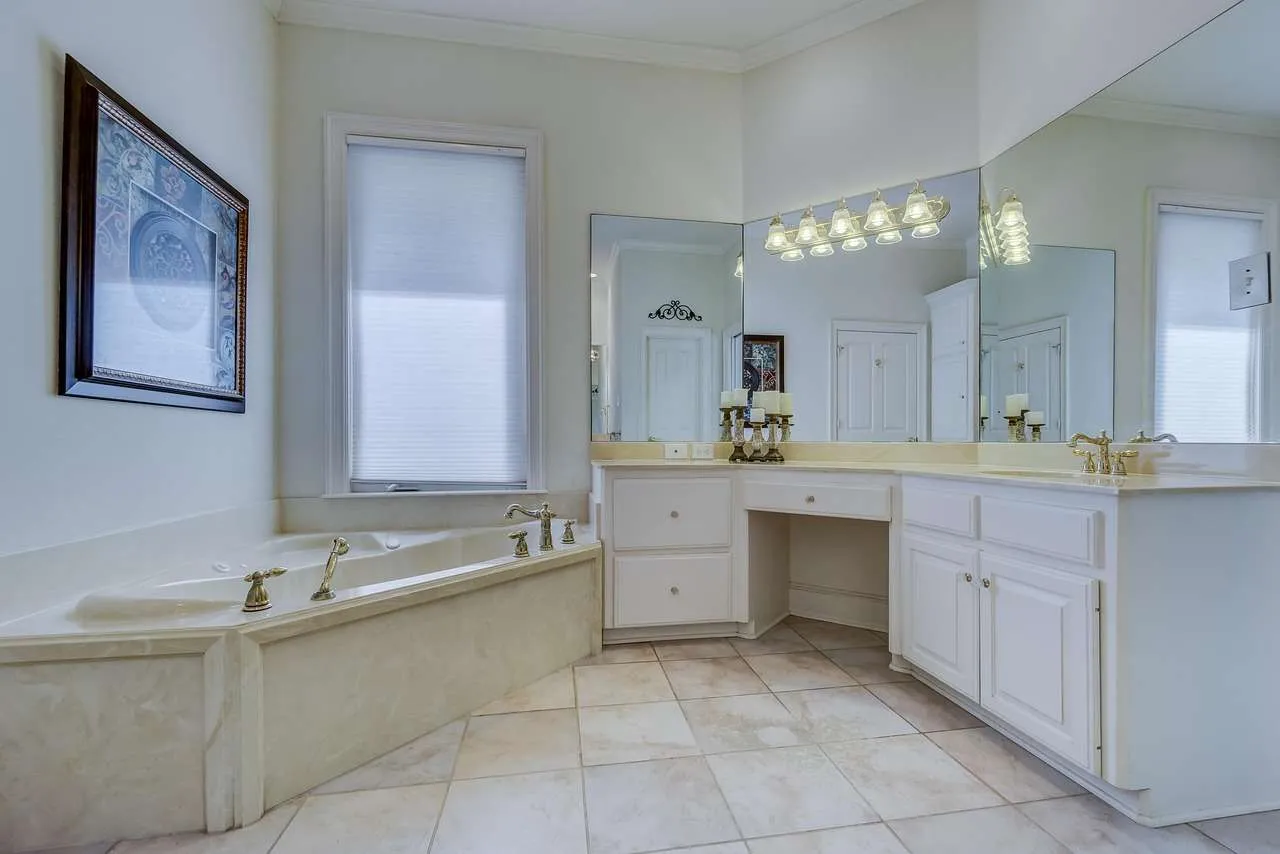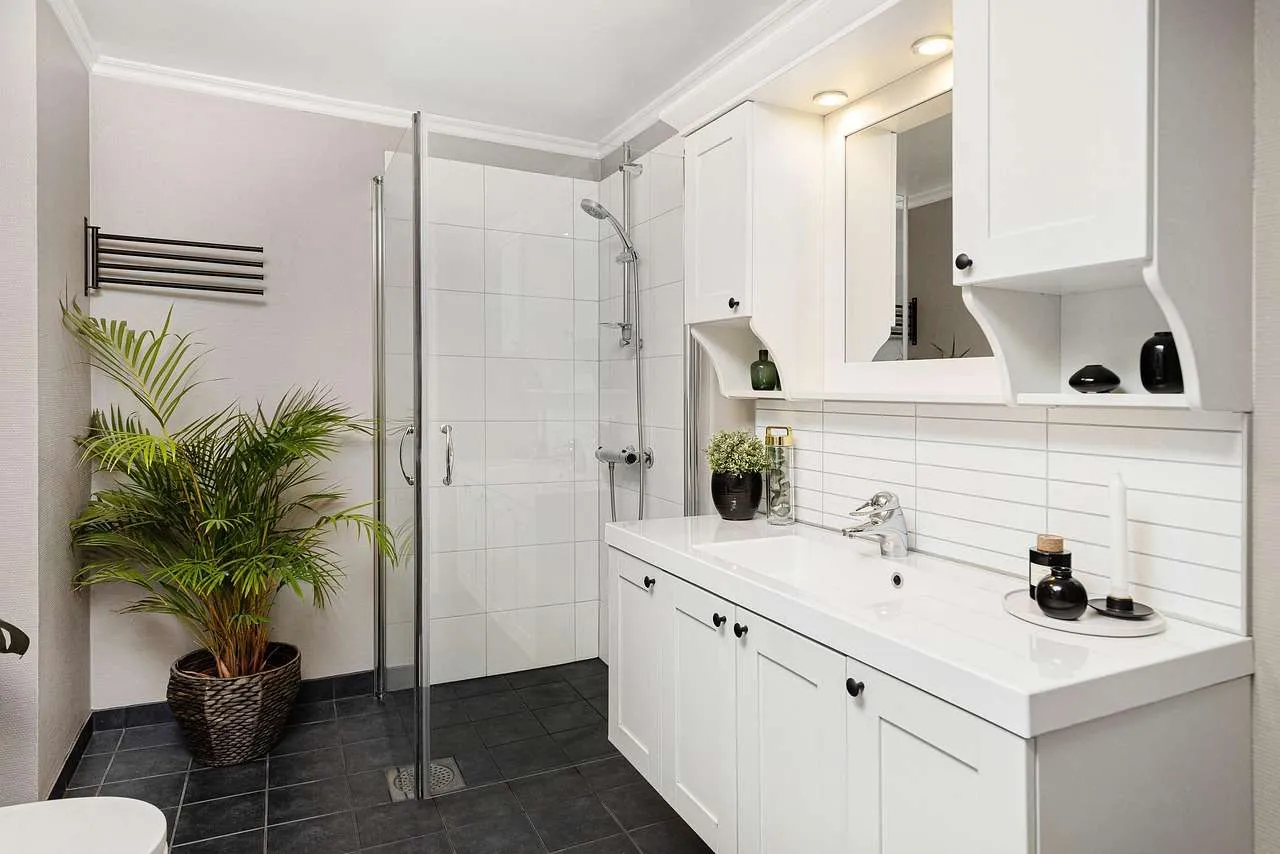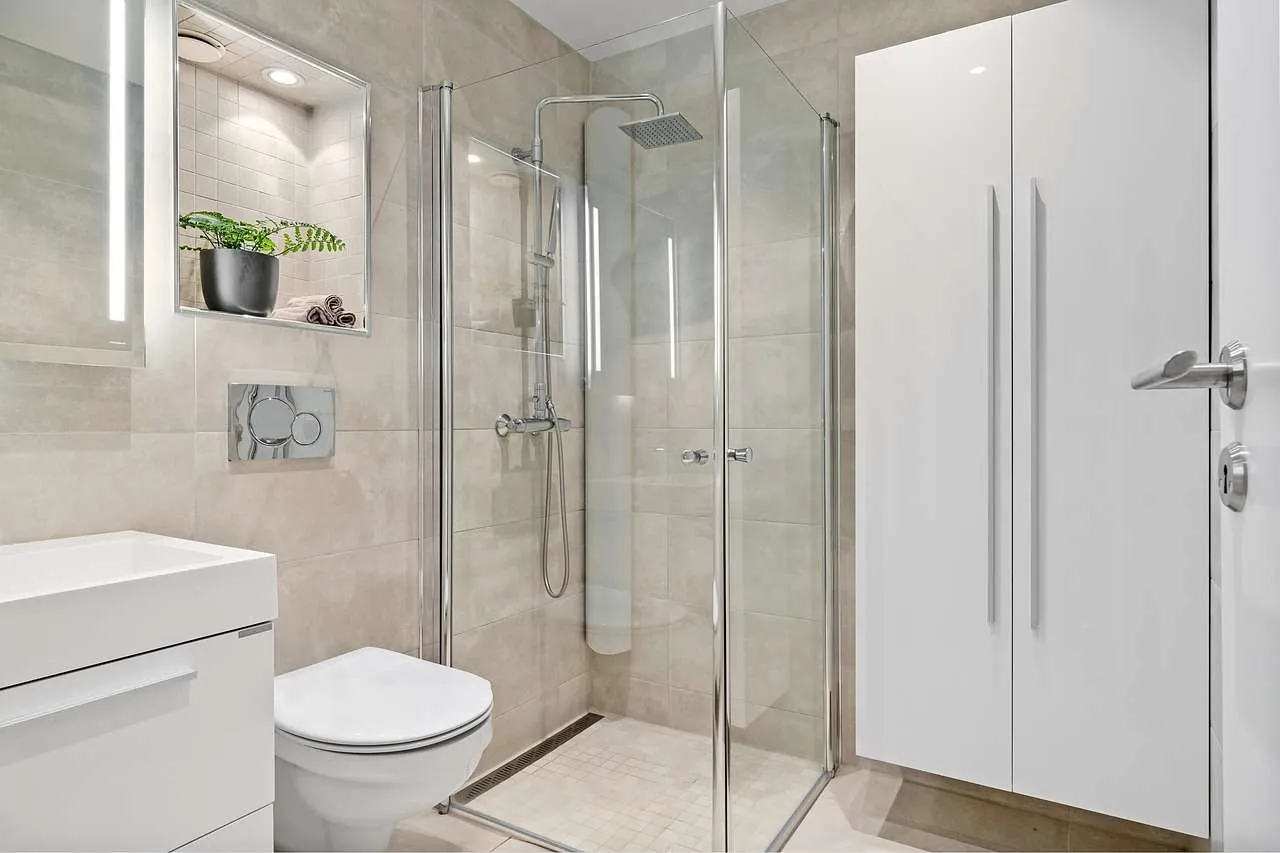
Choosing bathroom tile is a decision that blends style, durability, and maintenance. Whether you’re remodeling a master bath or updating a powder room, the right tile can transform space and function. This guide draws on practical experience from designers and installers, aiming to help homeowners select bathroom tile that lasts and looks great, with clear steps for installation and care.
Understanding Bathroom Tile Materials
Porcelain Tile
Porcelain is a dense, low-porosity material that resists water and staining. It is fired at high temperatures, making it more crack-resistant and durable for floors and showers. It comes in large formats and a variety of finishes, from matte to polished. For wet areas, porcelain is often the best long-term choice, though it can be tougher to cut and install.
Ceramic Tile
Ceramic tile is a lighter, more breathable option than porcelain. It offers wide color and pattern choices and is easier to cut by hand, making it popular for walls and backsplashes. Its porosity is higher than porcelain, so it is more prone to moisture absorption unless properly sealed, particularly in showers.
Natural Stone Tile
Natural stone such as marble, travertine, or slate brings character with unique veining and textures. Stone is porous and tends to be susceptible to etching and staining from cleaners or acidic products. Sealants are essential, and maintenance includes periodic resealing and using pH-balanced cleaners.
Glass and Metal Tile
Glass tiles add light and color reflections, often used as accents or in mosaics. They can be slippery when used on floors, so reserve glass for walls or backsplashes. Metal tiles provide a contemporary edge but can show scratches or water spots and may require wiping to maintain shine.
Design and Layout Ideas
Tile choices should harmonize with lighting, cabinet tones, and fixtures. Large format porcelain or ceramic tiles reduce grout lines and can make small bathrooms feel bigger. Hexagon or herringbone patterns add visual interest on walls or floors. For safety, choose slip resistant finishes on floors, and opt for neutral grout that hides dirt while ensuring proper contrast for readability of numbers on tiles for accessibility.
Installation and Maintenance
Proper installation starts with a stable substrate and waterproofing in wet zones. A cement backer board or an appropriate substrate is essential in showers and tub surrounds. Apply a waterproof membrane behind the tile and use unmodified or modified thinset according to tile type. Accurate layout planning, straight lines, and level surfaces prevent trip hazards and cosmetic issues. Grout choice affects cleaning; sanded grout is common for larger joints, while unsanded is used for narrow joints. Seal natural stone and consider penetrating sealers for rated tile to reduce moisture intrusion.
Maintenance matters: wipe spills, clean with pH-balanced cleaners, and reseal porous tiles periodically. Regular maintenance extends tile life, preserves appearance, and supports home value. For high-traffic bathrooms, a professional installation is recommended to ensure proper substrate prep and grout sealing.
Cost, Value, and Durability
Cost varies by material, size, and layout complexity. Porcelain and ceramic tile offer cost-effective choices with wide availability, while natural stone and specialty glass can increase project budgets. Durability is higher for porcelain and dense porcelain-look tiles, but the long-term value also depends on proper installation, sealing, and maintenance.
Comparison at a Glance
| Tile Type | Pros | Cons | Best For | Maintenance |
|---|---|---|---|---|
| Porcelain | Very durable; water resistant; large formats | Harder to cut; longer install time | Floors and showers | Low; reseal if stone |
| Ceramic | Affordable; easy to install; wide designs | Higher porosity than porcelain | Walls; backsplashes | Moderate; clean with non-abrasive cleaners |
| Natural Stone | Unique beauty; natural variation | Porous; requires sealing | Showers and feature walls | Periodic sealing |
| Glass | Reflects light; vibrant color | Slippery on floors; prone to smudges | Accents and backsplashes | Gentle cleaners; wipe spills |
| Metal | Contemporary look; durable with proper care | Maintenance; potential staining | Accent walls; trims | Regular wiping |
Choosing the right bathroom tile requires balancing style with practicality. Always start with a plan that considers traffic, moisture levels, and cleaning routines. When in doubt, consult a licensed professional to ensure substrates are prepared correctly and that installations comply with local building codes and industry best practices.
Conclusion, a successful bathroom tile project balances material choice with performance, layout, and professional installation. Porcelain offers durability; stone adds luxury but requires sealing; proper maintenance keeps grout and surfaces looking new for years.