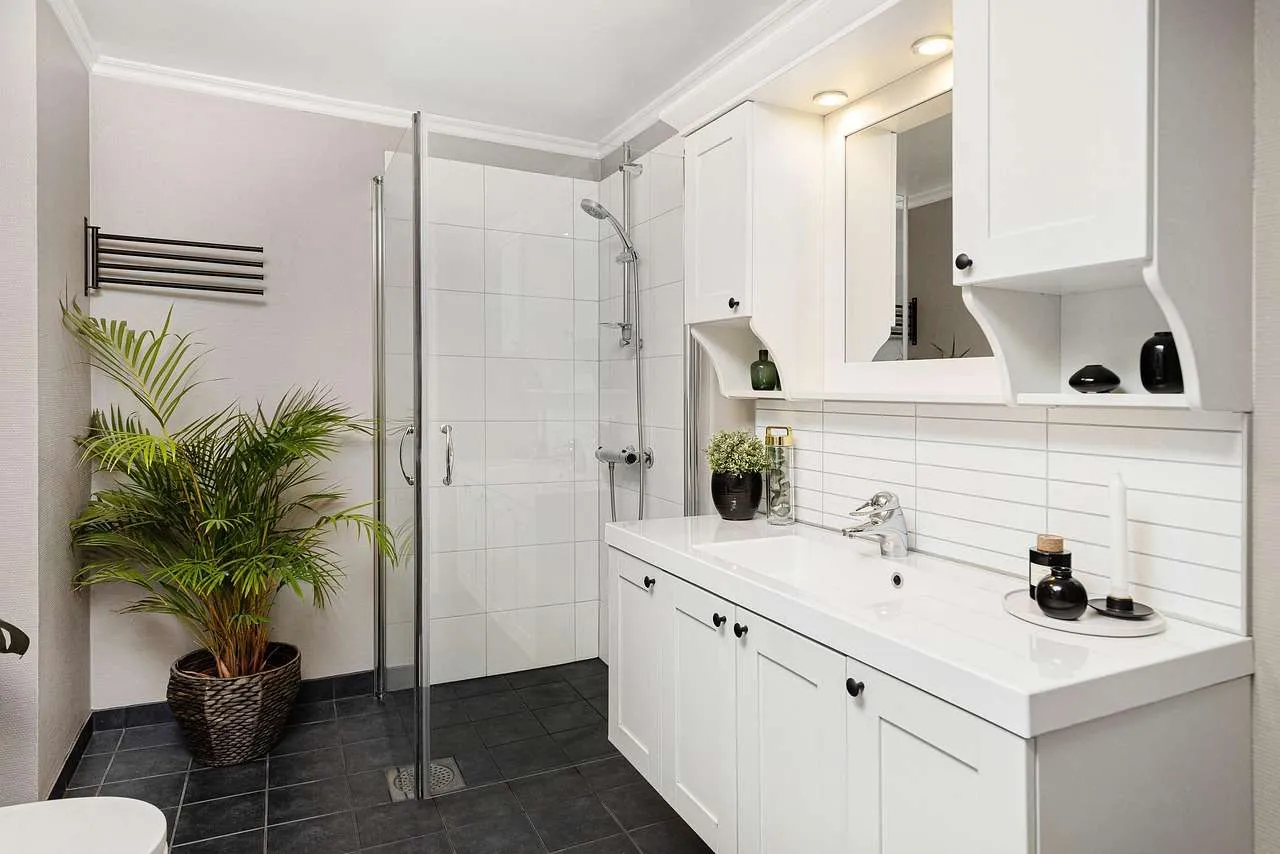
In many homes, the bathroom is the smallest room yet one of the most used. Small bathroom ideas focus on creating the illusion of space while improving function. As a seasoned interior designer and bathroom contractor, I’ve helped clients maximize every inch through careful planning, durable fixtures, and moisture-aware finishes. The goal is to balance style with practicality, so your compact bath feels welcoming rather than cramped.
Key principles for small bathrooms
Effective small bathroom design relies on four core principles: proportion, light, storage, and materials that tolerate humidity. Translating these into a real plan starts with measuring the space accurately and selecting fixtures that suit the room’s scale.
- Proportion and scale: choose vanities, toilets, and showers that fit the space without crowding it.
- Bright, reflective surfaces: white or light neutrals with mirrors and glass create the sense of airiness.
- Clear lines and minimal hardware: glass doors and frameless enclosures reduce visual bulk.
- Moisture-resilient finishes: ceramic tile, porcelain, quartz, epoxy paints, and solid-surface counters resist wear.
Color and light
Light color palettes reflect daylight and visually expand the room. If daylight is limited, supplement with layered lighting: a soft ambient ceiling light, task lighting near the mirror, and an accent layer above the shower. Incorporate a large mirror or mirrored cabinet to double the perceived space. Warm accents in towels or a small rug can add personality without crowding the space.
Layout and flow
Layout optimization centers on leaving adequate walking space and prioritizing essential fixtures. In many small baths, replacing a tub with a shower stall or using a compact tub can free several square inches for storage. A pocket door or a recessed/ sliding door can reclaim door swing space, improving access for all users. Ensure there is at least 24 inches of clear floor space in front of the vanity and at least 30 inches for the shower opening.
Smart layout ideas for tiny baths
- Walk-in shower with clear glass and a single fixed or hinged door to maximize visual openness
- Wall-mounted vanity and toilet to create under-vanity storage and clear floor lines
- Corner sink or compact wall-hung basin to free central space
- Recessed niches in the shower and above the vanity for toiletries
- Mirror-backed storage and tall, slim cabinetry that fits the ceiling line
Storage strategies that maximize space
Hidden storage dramatically reduces countertop clutter and makes cleaning easier. Use built-ins, recessed shelving, and vertical storage to keep surfaces clear. Select moisture-resistant materials and durable hardware to withstand daily use.
- Recessed medicine cabinets with lighting for grooming tools
- Floating shelves above the toilet or beside the shower niche
- Slim pull-out hampers and pull-out organizers inside vertical cabinetry
- Over-door hooks and wall-mounted racks that don’t encroach on floor space
Fixtures, finishes, and accessibility
Choose compact, durable fixtures designed for wet environments. A slim vanity with deep drawers, a frameless glass shower, and heat- or moisture-resistant finishes stay pristine with minimal maintenance. If accessibility matters, plan grab bars that blend with your design and ensure a level threshold for wheelchair access where appropriate. Select porcelain or quartz surfaces that resist stains and etching, and consider antimicrobial coatings for high-touch areas.
Comparison: 5 small bathroom ideas configurations
| Configuration | Pros | Cons | Best For |
|---|---|---|---|
| Walk-in shower with glass | Feels larger; easy cleaning; modern | Potential higher upfront costs; needs proper waterproofing | Minimalist styles; brighter feel |
| Wall-mounted vanity with shelves | Open floor space; flexible storage | Limited under-vanity storage for bulk items | Light traffic baths |
| Corner sink and tall cabinet | Efficient plumbing; abundant vertical storage | Can feel narrow if deep | Long, narrow baths |
| Pocket door with slim shower | Maximizes usable width when open | Complex installation; wall framing needed | Retrofits and condo baths |
| Shower-tub with niches | Versatile for families; cost-effective | Less open space for shower-only layouts | Family baths with tub needs |
All these configurations balance function and feel. When planning, consult a licensed contractor to confirm plumbing layouts, ventilation, and waterproofing details. Get a written plan, material list, and warranty terms to protect the investment and ensure your design intent translates into a durable finish.
Conclusion, small bathroom ideas hinge on clear planning, light, and clever storage. Start with precise measurements, choose proportional fixtures, glass, and built-ins, and layer in quality materials and expert installation. With a thoughtful approach and professional execution, a compact bath can feel expansive, inviting, and tailored to your daily rituals.