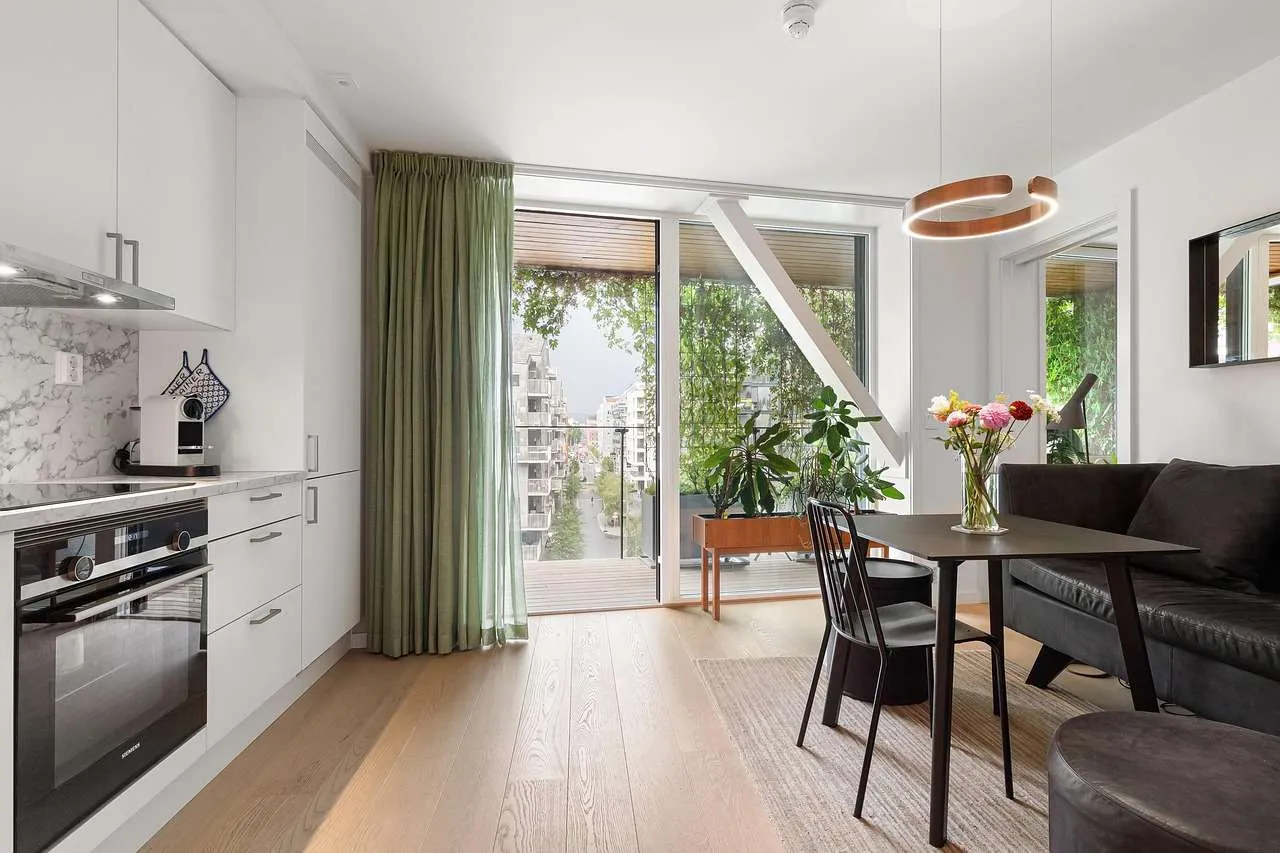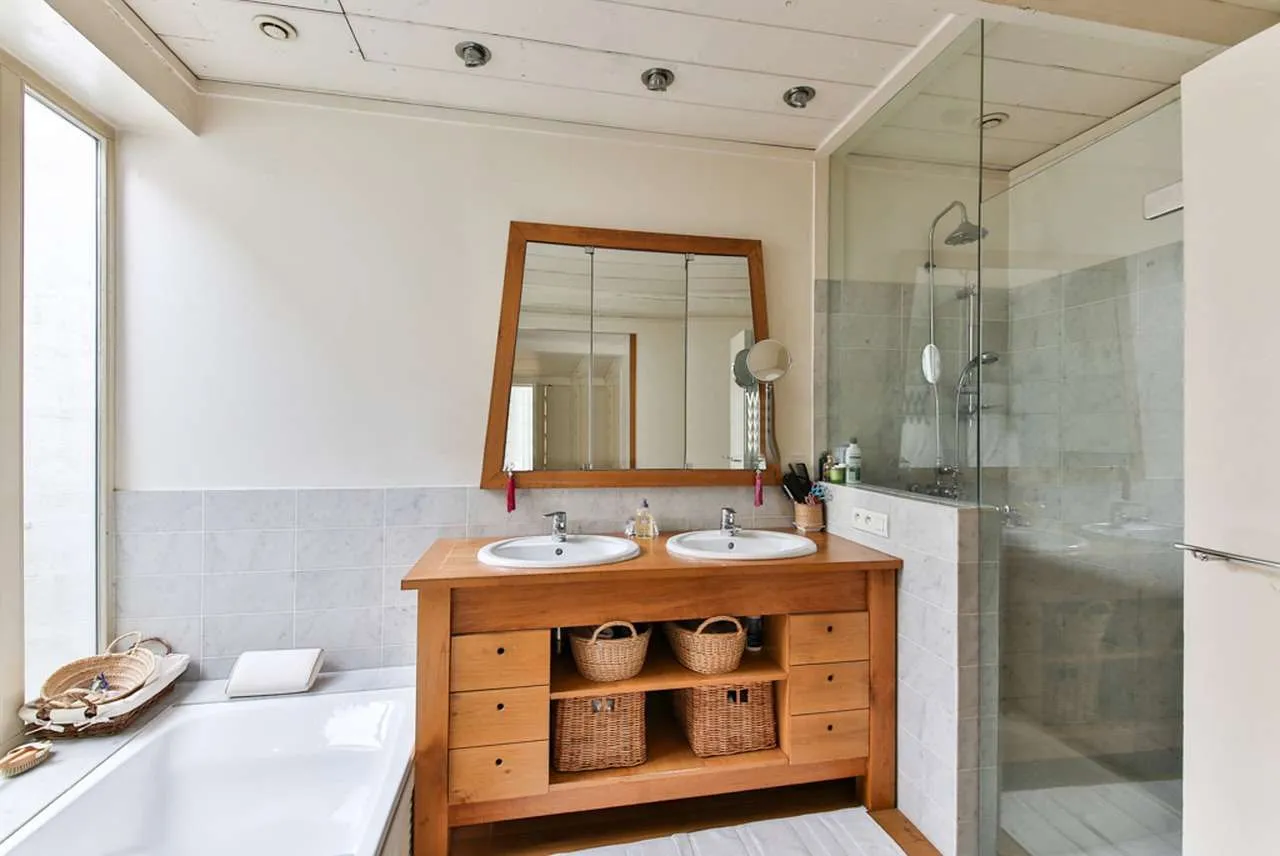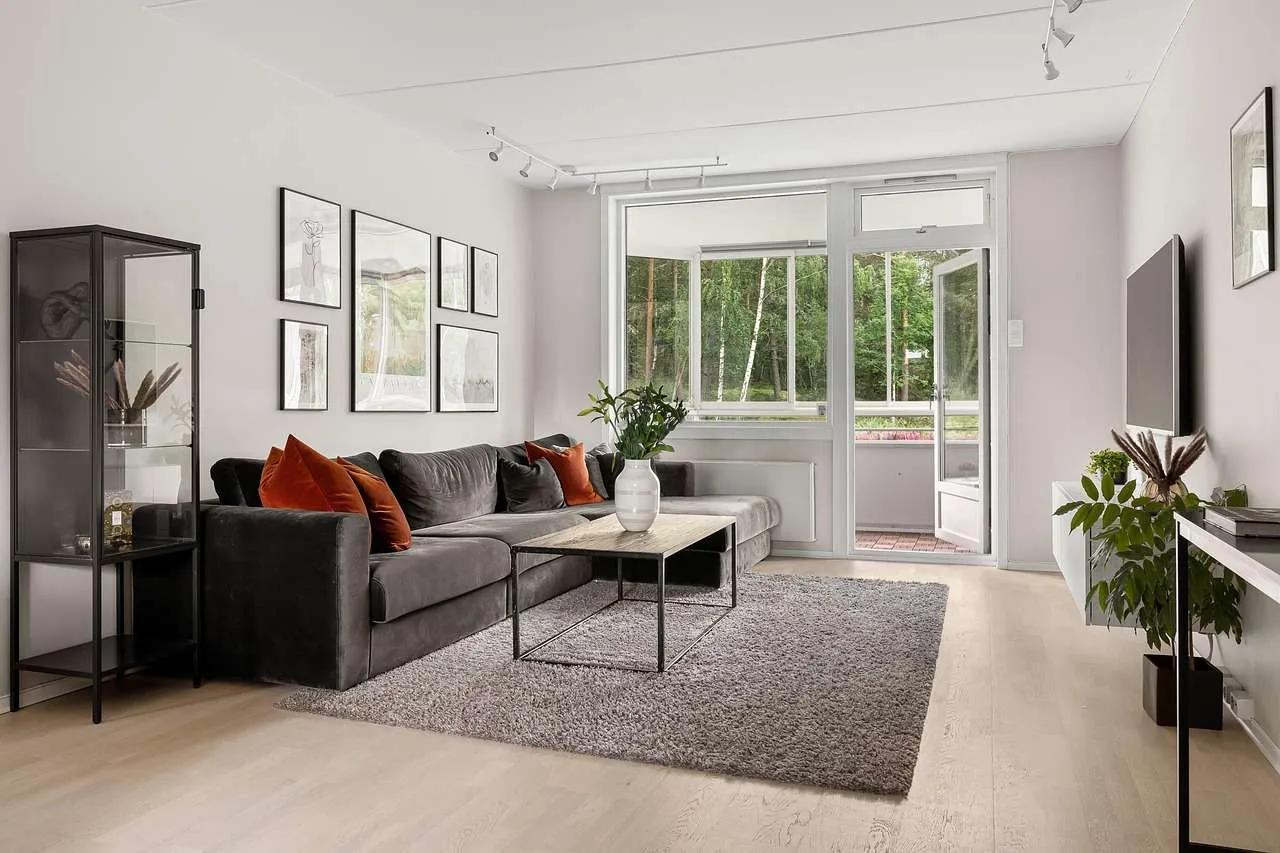
Home window tint is a window film applied to interior glass to reduce heat, filter UV rays, and improve living comfort. As energy costs rise and homeowners seek more control over sunlight, choosing the right tint becomes a strategic decision. This guide covers what home window tint can do, how to choose the best film, and what to expect during installation and maintenance, with practical tips for value and compliance.
What is home window tint?
Home window tint refers to a thin film applied to interior surfaces of glass. The film can reject heat, filter UV rays, reduce glare, and add privacy. Films come in different compositions and shade levels, and they can be installed on most standard residential windows, including double pane units.
Benefits of home window tint
Key benefits include:
- Energy efficiency and cooling cost savings
- UV protection to protect furnishings and prevent fading
- Glare reduction for comfort in kitchens and living rooms
- Privacy without heavy drapes
- Shatter resistance and safety
- Aesthetic improvements to exterior and interior design
Types of home window tint
Dyed window film
Dyed films are the most budget friendly and provide good privacy. They absorb heat and reduce glare but offer moderate heat rejection and do not reflect much light. Over time they can fade or change color in strong sun or heat cycles.
Metalized window film
Metalized films reflect a portion of infrared heat, helping with cooling. They can create a mirrored appearance in bright sun and may interfere with electronics or GPS in large panes if installed on the wrong side.
Ceramic window film
Ceramic films use non conductor ceramic particles. They offer excellent heat rejection, strong UV protection, no signal interference, and maintain clarity. They are more expensive but often deliver the best all around performance.
Carbon window film
Carbon films provide good heat rejection and a non reflective finish. They help maintain interior color stability and typically do not fade as quickly as dyed films.
Choosing the right tint for your home
Consider visible light transmission VLT percentage, climate, home orientation, and local rules. For most homes, aiming for 30 to 60 percent VLT on side windows balances visibility and heat control. In hotter climates, higher heat rejection options such as ceramic or carbon films are preferred. Front side windows and windshields are often subject to local tint limits; always verify with local laws and HOA rules before installation.
Installation options and maintenance
Most homeowners who want lasting performance choose professional installation. A certified installer can measure, cut, and apply the film to ensure bubble free results and warranty coverage. DIY kits exist but require careful surface preparation and tool handling. After installation allow the film to cure for a day or two. For maintenance, use a soft cloth and a mild cleaner; avoid abrasive materials that could scratch the film.
Cost and return on investment
Material costs range from budget to premium depending on film type. Typical professional installation costs range per square foot. Dyed films are cheapest; ceramic and carbon are more expensive but offer better comfort and durability. Over time, reduced cooling load and protection from sun can offset initial costs, and proper tint can extend the life of furniture and flooring.
Rough price ranges: dyed films installed around 5 to 8 per sq ft; ceramic or carbon around 8 to 15 per sq ft. DIY kits typically cost 1 to 5 per sq ft, with professional labor add ons. ROI varies by climate and energy rates as well as interior asset protection.
Legal considerations and standards
Tint laws vary by country and state or province. Front windshield and front side windows often have limits on darkness or reflectivity. Before purchasing film, check local and HOA regulations and, if possible, consult a licensed installer who understands compliance requirements.
Comparison of tint types
| Type | UV Rejection | Heat Rejection | Privacy | Interference | Typical Cost | Best Use |
|---|---|---|---|---|---|---|
| Dyed | Moderate | Medium | High | Low | Low | Budget homes |
| Metalized | High | Very High | Moderate | Possible interference | Medium | Hot climates |
| Ceramic | Excellent | Excellent | High | None | High | All around performance |
| Carbon | Excellent | Good | High | None | Medium-High | Mid to high end |
Conclusion, choosing the right home window tint involves balancing heat control, UV protection, privacy, cost, and regulatory compliance. By understanding the types and installation options, homeowners can improve comfort, protect interiors, and preserve curb appeal while achieving long term value.